Let’s just say it plainly. Skin after forty doesn’t bounce back the way it used to.
You can drink the water. Use the serum. Sleep eight hours. And still, that one patch on your cheek hangs around like it pays rent. Or the spots on your hands seem darker every summer. It’s not sudden. It creeps in.
That’s usually when Laser Sun Spot Removal moves from “maybe one day” to “okay, I’m actually considering this.” Not because you want different skin. Just clearer skin. There’s a difference.
Why Spots Stick Around Longer Now
In your twenties, pigmentation faded faster. In your thirties, you could usually outsmart it with a decent routine. After forty, skin turnover slows. Collagen production drops. Healing takes a bit longer. So when melanin clusters from years of sun exposure, it doesn’t clear itself as easily.
That’s the simple reason Laser Sun Spot Removal becomes more relevant later in life. Instead of waiting for your skin to renew itself quickly, the treatment targets the pigment directly and breaks it up so your body can gradually clear it.
It’s not about forcing change. It’s about assisting what your skin no longer does efficiently on its own.
It’s Rarely Just One Spot
Here’s something people don’t always admit. It’s not just the brown mark. It’s the uneven tone. The slight dullness. The way light hits your face differently now. Pigmentation exaggerates all of that.
Modern Laser Sun Spot Removal doesn’t only address the visible spot. Depending on the device used, it can also stimulate mild collagen response. Nothing extreme. Just a subtle improvement in overall clarity.
The result isn’t dramatic. It’s more like your skin looks less tired. And that’s often enough.
What It Actually Feels Like
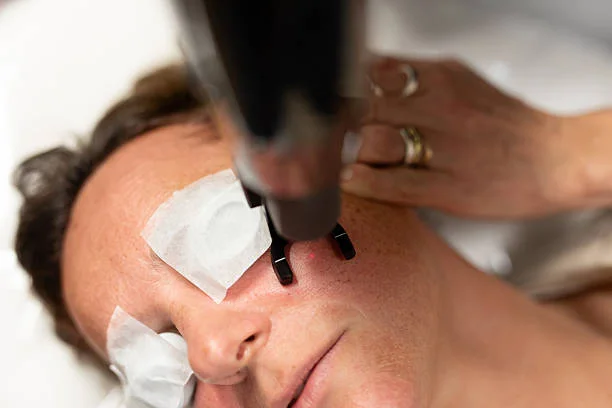
If you’ve never had laser before, you probably imagine something intense. In reality, Laser Sun Spot Removal is focused and controlled. You’ll feel quick, sharp snaps against the skin. Brief. Manageable. Most clinics use cooling systems to reduce heat.
Sessions are usually short unless you’re treating multiple areas. Afterwards, the treated spots darken temporarily. This is where people panic if they weren’t warned. It’s normal. The pigment rises before flaking away.
Within about one to two weeks, those areas lighten. It’s a process. Not magic.
Why Experience Matters More With Mature Skin
Skin over forty can be thinner. Slightly more sensitive. Slower to heal. That means settings for Laser Sun Spot Removal need to be adjusted carefully. A practitioner who treats everyone the same way isn’t the one you want.
Consultation should include discussion about skin type, medical history, medications, even how much sun exposure you typically get. Not all pigmentation responds the same way. Melasma, for example, requires a cautious approach.
A good clinic will explain when laser is appropriate and when another treatment may be better. That kind of honesty is worth more than flashy advertising.
Don’t Forget the Hands
The face gets attention. The hands often don’t. And yet, hands are usually the first to show cumulative sun damage. They’re exposed constantly and rarely protected consistently.
Laser Sun Spot Removal on the hands can create a surprisingly balanced look. When your hands stop looking noticeably older than your face, it changes how everything feels.
The chest and shoulders are common treatment areas too. Different skin thickness means different settings. It’s not a one-size-fits-all situation.
How Many Sessions?
It depends. That’s the honest answer. Some people see noticeable fading after one session of Laser Sun Spot Removal. Others need two or three treatments spaced out over weeks.
Mature skin may respond a little slower because cell turnover isn’t as rapid as it once was. That’s normal. Anyone promising instant, flawless results is probably overselling it.
Timing and Aftercare Aren’t Optional
Post-treatment skin is more sensitive to sunlight. That’s why many clinics recommend having Laser Sun Spot Removal during cooler months. It’s not mandatory, but it helps.
Aftercare usually involves gentle skincare and consistent sunscreen. No aggressive exfoliation. No picking at darkened spots while they heal. Simple steps. But important ones.
For many people, treatment becomes the moment they finally take daily sun protection seriously. Which probably prevents future spots more than anything else.
The Quiet Confidence Factor
No one books Laser Sun Spot Removal because they expect to look twenty-five again. It’s usually about alignment. When your reflection matches how you feel. When foundation goes on evenly. When you don’t automatically look for the best lighting angle.
Pigmentation can make skin look older than it actually is. Softening that contrast often makes the entire face appear fresher. Not transformed. Just clearer.
And sometimes that’s enough.
Choosing Where You Go Matters
If you’re considering Laser Sun Spot Removal, ask practical questions. About training. About equipment. About how they handle complications. About whether they perform patch tests.
You want a practitioner who takes their time. Who evaluates carefully. Who doesn’t rush into high settings for quick results.
Laser is safe when done properly. The experience behind the machine matters more than the machine itself.
Laser Sun Spot Removal from Kiora Skin Clinic isn’t dramatic. It isn’t extreme. It’s targeted. Controlled. Measured.
And if that one stubborn spot has been quietly bothering you for years, sometimes a measured solution is exactly what makes sense.