
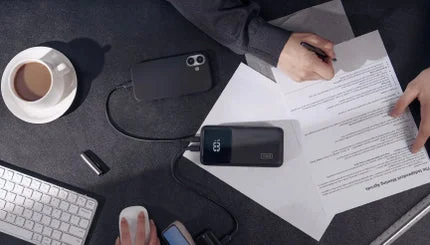
When choosing a portable charger, the real question is simple: how much backup power do you actually need in daily life? For many people, a 20000 mAh power bank is the sweet spot. It offers enough capacity to keep a smartphone going for several days, cover longer travel days, or provide reliable backup for larger devices like an iPad during a flight or remote work session of USB-C power bank.
That said, capacity is only one part of the decision. Just as important is how that power is delivered. As more devices shift to newer charging standards, the usb c power bank is becoming the more practical choice. With the industry gradually moving away from older USB-A and Micro-USB connections, USB-C offers a more modern, efficient way to charge the devices people use every day. Choosing the right mix of capacity and charging technology can help keep your devices powered without adding unnecessary bulk to your bag.
Identify Your Daily Power Profile
Before looking at specs, you need to categorize how you actually use your devices throughout the day. Are you a “just in case” charger or a “heavy-duty” user?
The Minimalist Commuter
If your primary goal is to get your phone through an evening out or a long train ride home, portability is king. You don’t want a heavy weight dragging down your pockets or cluttering a slim briefcase. For this group, a compact charger that provides one or two full boosts is usually sufficient to bridge the gap until you reach a wall outlet.
The Digital Nomad and Remote Worker
If your “office” changes daily—from a local coffee shop to a park bench—your needs shift toward high wattage. You aren’t just charging a phone; you might be topping off a tablet or a lightweight laptop. Here, you need to look for ports that can handle 65W or higher output to ensure your larger electronics actually gain charge while you work.
The Outdoor Enthusiast and Traveler
For long-haul flights or weekend camping trips, capacity is the primary metric. You need enough juice to last 48 to 72 hours. This is where 20,000mAh units shine; they are large enough to charge a flagship phone 4 to 5 times, yet still sit comfortably under the 100Wh limit imposed by the TSA for carry-on luggage.
Deciphering Capacity and What You Actually Get
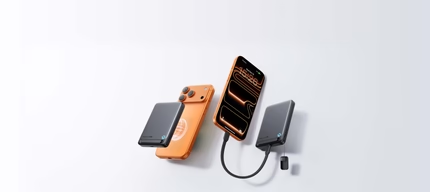
Advertised capacity and usable power are two different things. Understanding the “rated capacity” helps manage expectations so you aren’t surprised when the lights start blinking.
Understanding mAh vs Watt Hours
Most manufacturers label products in milliamp-hours (mAh), but because of voltage conversion and heat loss, the “usable” power is typically about 65% of the total. A power bank labeled 20,000mAh will realistically deliver around 13,000mAh to your devices.
Efficiency and High-Density Cells
Higher-quality cells allow for more power in a smaller footprint. This is the primary appeal of the INIU Carry P512 Power Bank. Despite its massive internal capacity, it utilizes high-density cells to remain significantly smaller than traditional bricks, making it an ideal “high-capacity, low-bulk” solution for travelers who don’t want to carry a literal brick.
Choosing the Right Charging Speed
Not all ports are created equal. If your power bank only trickles power into your phone, it’s going to fail you when you’re in a rush.
Power Delivery and Fast Charging Standards
Look for “PD” (Power Delivery) branding. For most modern iPhones and Androids, you want at least 20W to 22.5W output. This allows you to hit 50% battery in about 30 minutes. If you have a Samsung device, look for “PPS” (Programmable Power Supply) compatibility to unlock “Super Fast Charging” speeds.
The Importance of Input Speed
Many users forget to check how fast the power bank itself recharges. A large battery charged via an old-school port could take 10+ hours to fill. Modern units use the USB-C port for both “In” and “Out,” allowing you to refuel the bank in a few hours using a high-wattage wall adapter.
Ports and Physical Features That Matter
The layout of your charger determines how many devices you can juggle at once without slowing down.
Integrated Cables vs Modular Ports
Some users prefer “all-in-one” units with built-in cables so they never have to worry about forgetting a cord. Others prefer modular ports so they can use their own high-durability braided cables. The best modern banks often offer a mix of both for maximum versatility.
Pass-Through and Low-Current Modes
A helpful feature to look for is pass-through charging, which lets you charge the power bank and your phone simultaneously at night. Additionally, ensure the bank has a “trickle-charge” or low-current mode to safely charge smaller accessories like AirPods or Apple Watches without the bank automatically shutting off.
Build Quality and Long Term Reliability
Safety should never be an afterthought. Lithium-ion batteries are essentially controlled chemical reactions, and cheap internal components can lead to overheating.
Safety Certifications to Look For
Make sure the power bank includes essential safety protections, such as over-voltage, over-current, overcharge, and short-circuit protection. These built-in safety features help protect both the charger and your devices during everyday use, while also supporting more stable long-term performance.
Durability and Texture
A power bank spends its life being tossed into bags and dropped on floors. Look for grippy textures or high-impact plastic shells. Some even include built-in LED displays that show the exact percentage of power remaining, which is much more useful than vague blinking lights.
Conclusion
Ultimately, matching a power bank to your lifestyle is about balancing your daily “range anxiety” with the physical weight you’re willing to carry. By focusing on your specific device requirements—whether that’s a high-wattage port for a laptop or a compact USB-C power bank, high-density cell for light travel—you can stay powered up through any adventure. Don’t just shop for the biggest number; shop for the smartest technology. When you match the right capacity with the right charging standards, you’re buying the freedom to stay connected anywhere in the world.