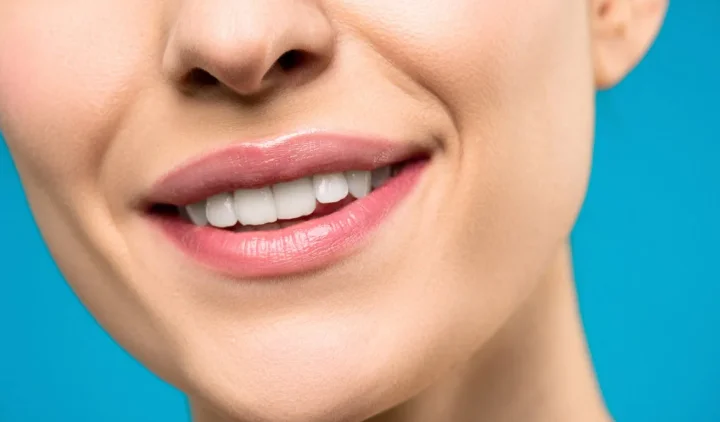
Many people first notice aging when they look closely at the area around their mouth. Fine lines appear that were not there before. The lips look thinner. The skin does not sit the same way when the face rests. These changes often feel sudden, but they build slowly over time. This part of the face moves all day. It works when you talk, eat, smile, and show emotion. Because of that, it tends to show wear earlier than other areas. People often focus on the eyes or forehead, but the mouth area plays a big role in how tired or aged someone looks. Understanding what changes happen here can help reduce confusion and set realistic expectations.
Why the mouth area shows age early
The skin around the mouth bends and folds more than most facial skin. Each movement places tension on the same areas again and again. Over the years, this repetition leaves lasting marks. The skin here is also thinner than the skin on the cheeks, which means it has less support. Oil production drops with age, leading to dryness that makes lines stand out. Sun exposure adds to the problem, especially since many people skip sunscreen near the lips. At practices such as Eos Rejuvenation Facial Plastic Surgery, specialists often point out that this mix of movement, thin skin, and sun damage explains why aging shows here sooner than expected.
Their specialists often address these changes with treatments like lip lifts that improve balance rather than focusing on surface lines alone.
How thinning skin changes the lip area
As skin gets thinner, it loses strength. It does not bounce back as well after movement. Around the mouth, this can cause fine lines to stay visible even when the face rests. The skin may also look crepey or loose. Makeup can settle into these lines and draw more attention to them. Thinning skin also bruises more easily and heals more slowly. These changes do not happen overnight. They build over the years and often become noticeable in the late thirties or forties.
What happens to natural lip volume
Lips do not just shrink with age. They lose internal support. Fat pads within the lips become smaller. This makes the lips look flatter and less defined. The border of the lips can blur, which changes the shape of the smile. Many people notice that lipstick no longer looks the same. The corners of the mouth may also begin to dip downward. This can give the face a tired or unhappy look even when the person feels fine.
The impact of collagen loss near the mouth
Collagen helps skin stay firm and smooth. As collagen production slows, the skin around the mouth becomes weaker. Lines deepen and spread outward. These lines form because the skin can no longer resist repeated movement. Once collagen loss reaches a certain point, the skin struggles to repair itself. Moisturizers can help with dryness, but they cannot rebuild lost structure. This is why lines around the mouth often feel more stubborn than other facial lines.
Changes in bone and dental support
Aging does not only affect the skin. The bone beneath the mouth also changes. The jaw slowly loses density over time. Teeth may shift or wear down. These changes reduce support for the lips and surrounding skin. When support weakens, the skin starts to fold inward. This can shorten the visible height of the lower face. It can also make the mouth area look sunken. These deeper changes often explain why surface treatments alone stop working as well with age.
Why smile lines become harder to ignore
Smile lines form from years of repeated facial movement. Early on, they appear only when you smile. As skin loses strength and elasticity, those lines remain visible even when your face is still. The tissue around the mouth no longer supports the skin the way it once did. Weight changes can make this more noticeable. Losing facial fat can deepen these folds. Gaining weight does not always soften them. Once smile lines settle in, skin care alone has a limited impact. This is why many people feel these lines age them more than wrinkles elsewhere.
How the space above the upper lip changes
The area between the nose and the upper lip tends to lengthen with age. This happens as skin stretches and support weakens. As this space grows longer, the upper lip can roll inward. Less of the pink part shows when you smile. Teeth may become less visible. These changes can alter facial expression in subtle ways. People often say they look less lively but cannot explain why. This area plays a bigger role in facial balance than most realize.
Aging around the mouth happens in stages. It affects the skin, lips, and deeper support. These changes often appear earlier because the area works constantly. Understanding what is happening beneath the surface helps reduce guesswork and stress. It also makes it easier to set realistic expectations. Not every change needs action, and not every concern has the same solution. Awareness allows people to make informed choices at the right time. When people understand their face better, they feel more confident in how they care for it.