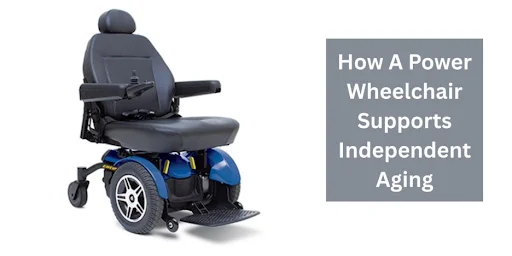
Old age tends to alter your lifestyle in terms of movement. Long walks can be exhausting, standing up can be uncomfortable, and even the most basic activities Power wheelchair, such as moving around the house or outside, can demand additional effort.
With time, you may experience limited mobility, which might begin to disrupt your sense of independence and make your daily tasks more difficult than they were previously. This is where power wheelchairs come in.
These devices are meant to offer elderly people a secure, motorized mobility that allows them to move safely and comfortably without relying too much on physical power. Power wheelchairs are designed to simplify everyday life with easy-to-use controls, comfortable seating, and stable movement.
The article discusses the potential of a power wheelchair to aid in the process of independent aging through enhanced mobility, safety, comfort, and quality of life.
Increased Mobility Recovers Every Day Control
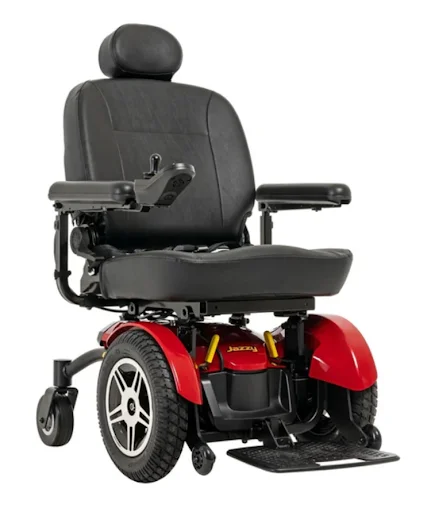
The most obvious advantage of a power wheelchair is enhanced mobility without physical effort. You do not have to use upper body strength or the help of other people to move; you can do it on your own, with just simple joystick controls.
Consequently, it makes daily navigation smoother and more predictable. This enhanced discipline gives you the ability to cope with your daily routine more easily. You can go between rooms, cook, or even go outside to get some air. Powered mobility decreases fatigue and increases your range.
You therefore save on energy that can be spent doing what is of real importance, as opposed to energy spent in commuting. In the long run, this restored movement turns into new confidence. You are no longer scheduling your day according to what you cannot do but what you can do.
Supports Aging in Place
Most individuals would rather stay in their own houses as they age. The known environment brings comfort, stability, and emotional security. Nonetheless, the mobility barriers in the home can jeopardize that objective.
Power wheelchairs are made to navigate through the indoor environment with accuracy. Small turning radii, variable speeds, and a stable base assist in moving through corridors, kitchens, and bedrooms safely. Daily chores in the house are made easier due to this fact.
Moreover, as the mobility in the home is enhanced, the relocation requirement can be reduced. Staying at home helps in keeping your mind healthy and ensures that you are independent.
Inbuilt Safety Fosters Confidence
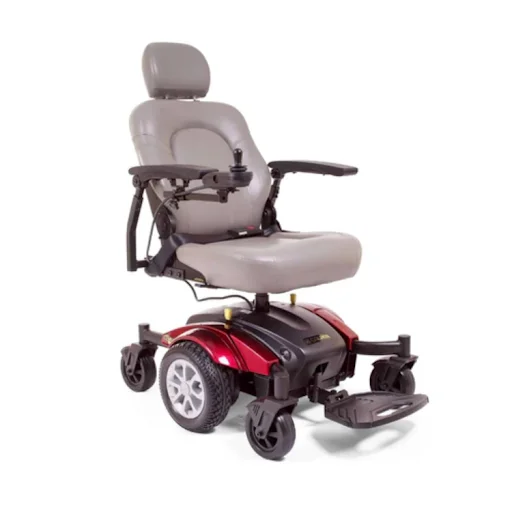
Safety issues tend to be more pronounced with age, particularly where there are balance and strength losses. Falls may cause severe injuries and prolonged recovery. Consequently, it is necessary to select mobility devices focusing on stability.
The features included in power wheelchairs include anti-tip wheels, a secure seating system, and responsive braking. All these factors combine to minimize the risk of accidents. Moreover, variable speed controllers can be used to navigate slowly in narrow or busy places.
Since the device offers steady support, you need not worry about being unstable, but instead concentrate on your destination. This feeling of safety creates an assurance of your mobility, and you feel more inclined to move rather than restrict yourself due to fear of injury.
Comfort Promotes Long-term Usage
Mobility support should also be comfortable, particularly when you use it every day. Long sitting may lead to pressure pains and exhaustion when the design is not comfortable.
Modern power wheelchairs are usually fitted with padded seating, adjustable armrests, and adjustable footrests. There are models that have tilt or recline features enabling a change of position without leaving the chair. Consequently, pressure is evenly distributed, which minimizes pain.
Posture is enhanced, and strain is minimized when you sit in a way that suits your body. As a result, you will be more inclined to sit in the wheelchair regularly, either at home or outside. Comfort helps to promote independence by eliminating physical obstacles that otherwise can deter activity.
Encourages Social Participation
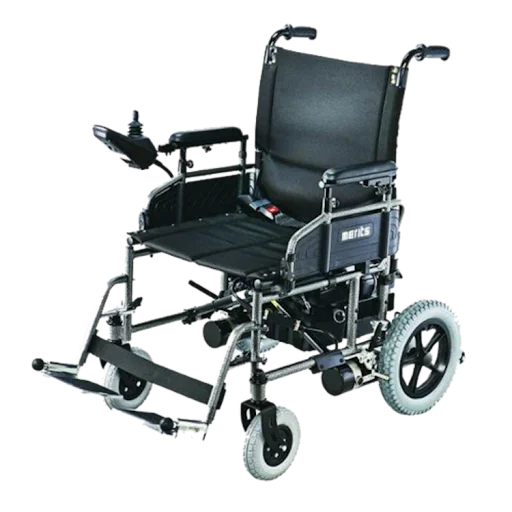
Mobility has a direct impact on social engagement. In case movement becomes a challenge, it can be overwhelming to attend a gathering or community event. In the long run, decreased involvement may constrain connectivity.
Dependable powered mobility transforms that. Having reliable navigation, you can see your friends, visit appointments, and engage in activities outside your house.
Moreover, staying socially active supports emotional well-being. Interaction, shared experiences, and routine outings contribute to a sense of purpose. When transportation within your immediate environment is no longer a barrier, connection becomes easier to maintain.
Reduces Physical Strain for Caregivers
Independence also affects the dynamic between you and your caregivers. When mobility requires constant assistance, both parties may experience physical strain.
Since a power wheelchair minimizes the need for manual pushing or lifting, caregivers can focus more on support and companionship rather than physical exertion. At the same time, you maintain greater control over your movement.
This shift creates a more balanced relationship. Assistance becomes intentional rather than constant, which can improve daily interactions and preserve dignity.
Final Thoughts
Independent aging is rooted in the ability to make choices about how you live each day. When mobility declines, that sense of choice can feel reduced. However, the right support can restore control and stability in meaningful ways.
A power wheelchair enhances movement, improves safety, and supports comfort, allowing you to remain active within your home and community. In addition, it reduces physical strain and encourages ongoing participation in social life.
By combining reliable performance with thoughtful design, powered mobility becomes more than a device; it becomes a practical foundation for maintaining dignity, autonomy, and engagement throughout the aging process.