Introduction of Two Great Himalayan Walks
Nepal is a land where trails never feel silent. Mountains speak slowly, rivers move fast, and village life smiles simply. Among many walking routes, the Manaslu Circuit Trek and the Langtang Valley Trek stand very strong and beautiful. These two treks give different feelings but the same deep mountain soul. One trek goes around wild giant Manaslu, and another trek walks inside the peaceful Langtang valley close to the Tibet side. Together they show Nepal’s real trekking heart. This article shares detailed information about both treks, written in easy, flowing, and human-like travel talk.
Why These Two Treks Feel So Special
The Manaslu Circuit Trek is less crowded and more raw. It circles Mount Manaslu, the eighth highest mountain in the world. The trail crosses high passes, old villages, deep gorges, and snowy lands. The Langtang Valley Trek is shorter but very emotional. The valley was hit by disaster but people stood again with strong smiles. The trek gives a mountain view, forest walk, yak pasture, and culture close to Tibetan life. Both treks mix nature, culture, and challenge in a very honest way.
Manaslu Circuit Trek Detailed Experience
Overview of Manaslu Circuit Trek
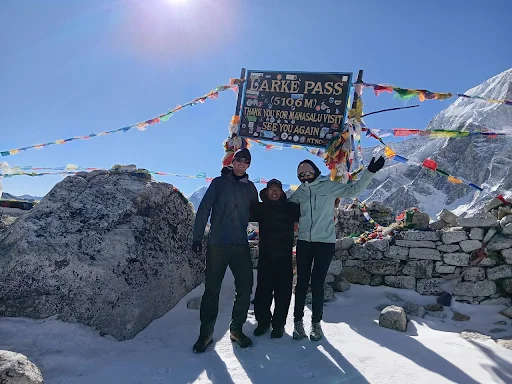
The Manaslu Circuit Trek is around 14 to 18 days, depending on the route. It starts from lowland villages like Soti Khola and slowly climbs to the high Larkya La Pass at 5,160 meters. The trail goes through the Budhi Gandaki river valley, narrow cliff paths, suspension bridges, and high alpine land. This trek needs a special permit and a guide is a must. It feels more adventurous and remote than popular treks.
Landscape and Nature on the Manaslu Route
Nature changes every day on the Manaslu Circuit Trek. The first days feel hot and green, and the river sounds heavy. Banana trees, rice fields, and waterfalls everywhere. Higher up, the forest turns to pine, rhododendron, and quiet trail. Above Samagaun, land opens wide with snow peaks everywhere. Glacier walk and dry mountain feel near the Tibet side. Larkya La Pass day feels long and cold but powerful. The view from the top makes pain disappear slowly.
Culture and Village Life in the Manaslu Region
Manaslu villages show a mixed culture of Gurung and Tibetan people. Houses are made of stone, and prayer flags always fly. Monasteries like Pungyen Gompa give peaceful stops. People live simply, farming barley and herding yak. Tea houses are basic but have a warm heart. You eat dal bhat, noodles, and soup, and you drink butter tea sometimes. Language feels different, and clothing feels traditional. You feel like walking back in time.
Difficulty Level and Trekking Challenge
The Manaslu Circuit Trek is moderate to challenging. Trail long and sometimes rough. Some days I walk for 7 to 8 hours. Larkya La Pass is the hardest part with snow and wind. Good fitness is needed, but no technical climbing. Acclimatization days are important to stay safe. Weather can change fast, so the mind must stay flexible. But the reward is huge when a pass is crossed.
Best Time for Manaslu Circuit Trek
The best seasons for the Manaslu Circuit Trek are spring and autumn. March to May gives flowers and a clear sky. September to November gives stable weather and sharp mountain views. Winter is too cold at the pass; summer brings rain and landslide risk. Choosing the right season makes the trek smoother and more enjoyable.
Langtang Valley Trek Detailed Experience
Overview of Langtang Valley Trek
The Langtang Valley Trek is a 7- to 10 day walk. It starts from Syabrubesi, drives from Kathmandu about 7 to 8 hours. The trail follows the Langtang river and climbs gently into a wide valley. The trek reached Kyanjin Gompa, the main highlight village. This trek is shorter but full of beauty and culture. It is good for people with limited time but big mountain dreams.
Natural Beauty of Langtang Valley
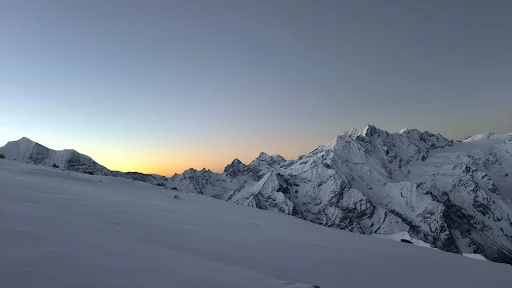
Langtang Valley feels open and calm. Forest walk with oak, bamboo, and rhododendron in the lower part. Red pandas live here, though they are rare to see. Higher up, valleys open wide with snow peaks like Langtang Lirung, Dorje Lakpa, and Yala Peak. Yaks graze freely, and prayer wheels spin slowly. The morning light in the Kyanjin valley feels magical and quiet.
Culture and Life in Langtang Villages
Langtang people are mostly Tamang, with strong Tibetan influence. Their culture is warm and welcoming. After a big disaster years ago, people rebuilt their lives with courage. New lodges stand with hope. Monasteries, chortens, and mani walls show spiritual life. The food is simple and tasty. The cheese factory in Kyanjin is a famous and fun place to visit. Talking with locals gives me a deep feeling of respect.
Side Trips and Viewpoints in Langtang
From Kyanjin Gompa, day hikes make the trek richer. Kyanjin Ri and Tserko Ri are popular viewpoints. Climbing these hills gives a wide view of valleys and glaciers. Walk slowly but view the reward strongly. These hikes help acclimatization also. The sunset and sunrise from these points will stay in my memory for a long time.
Difficulty Level of Langtang Valley Trek
The Langtang Valley Trek is moderate. The trail is clear and less steep than Manaslu. Daily walking for 5 to 6 hours mostly. Altitude reaches around 3,870 meters at Kyanjin Gompa, which is manageable with a slow pace. Good for beginner trekkers who want a high mountain feeling without extreme challenge.
Best Time for Langtang Valley Trek
The best seasons for the Langtang Valley Trek are also spring and autumn. Spring brings flowers and soft weather. Autumn brings a clear sky and a sharp mountain view. Winter is cold but possible with fewer crowds. Summer is green but rain can disturb walking.
Comparing the Manaslu Circuit Trek and the Langtang Valley Trek
The Manaslu Circuit Trek is longer, harder, and more remote. It gives the feeling of true exploration. The Langtang Valley Trek is shorter, easier, and closer to Kathmandu. Manaslu needs more planning, permits, and guidance. Langtang is flexible and budget-friendly. Both treks give culture, mountain, and deep nature touches. Choice depends on time, fitness, and adventure level.
Packing List for Both Treks
Packing right makes a trek comfortable. Good shoes are a must; broken-in trekking boots help a lot. Warm jackets, fleece, and thermal clothes are needed for cold nights. Light clothes for the lower area. Rain jackets protect from sudden weather. Sleeping bags are useful in high lodges. Trekking poles help the knee and balance. Sun hats, sunglasses, and sunscreen protect from strong sun. A small medical kit, water bottle, and snacks are helpful. Camera or phone to capture moments. Simple pack but smart choice is best.
Food and Accommodation on the Trails
Tea houses are the main accommodation on both treks. Rooms are basic, with two beds and a warm blanket. Food menu similar on both routes. Dal bhat is a strong energy food. Noodles, pasta, rice, soup, and pancakes are also common. Prices go higher with altitude. Hot showers are sometimes available with extra cost. Staying warm and eating well keeps the body strong.
Conclusion
The Manaslu Circuit Trek and the Langtang Valley Trek are two beautiful walking stories of the Nepal Himalaya. One is wild, long, and powerful. Another is gentle, emotional, and peaceful. Both treks show mountains not only as big rocks but also as living homes for people and spirits. Walking these trails changes thinking slowly. You return not only with photos but also with quiet strength inside your heart. Nepal trekking is not a race; it is a feeling, and these two treks teach that lesson very clearly.
Booking Process by Nepal High Trek:
To book any of these treks tours through Nepal High Trek Pvt.Ltd , begin by contacting them via email at info@nepalhightrek.com or phone or WhatsApp at +977-9851142116 to discuss your preferred dates, group size, and specific needs. They will provide a detailed itinerary covering these trek’s duration, highlights, cost, and inclusions such as a guide, porter, meals, accommodation, and transportation.
Prior to the trek, you will receive a comprehensive pre-trek briefing with essential information on packing, fitness preparation, and altitude acclimatization. The agency will finalize all logistical arrangements, including transportation, accommodation, and permits, to ensure everything is in place for your trek. Upon arrival in Nepal, the team will ensure that all aspects of the trek are organized, providing you with a smooth and unforgettable experience on these treks.