
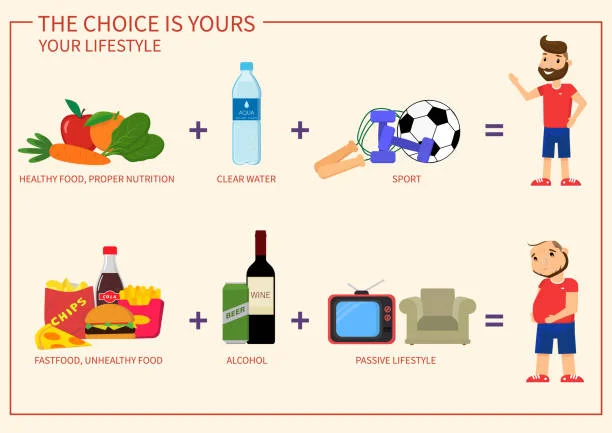
Most health changes don’t arrive loudly. They show up slowly, in the way your energy drops earlier than it used to, or how sleep feels lighter even after enough hours. These shifts often come from everyday lifestyle habits you don’t think twice about.
You don’t need extreme routines to feel better. You need awareness.
Why Lifestyle Has a Bigger Impact Than You Realize
Lifestyle isn’t about motivation. It’s about repetition.
What you eat, how you sleep, and how you handle stress affect hormones, digestion, and mental clarity. When these habits stay unchecked, the body adapts in ways that don’t always feel good.
Learning from reliable platforms like Diana Rangaves helps people understand how small choices connect to long-term wellbeing.
Sleep Patterns That Affect More Than Rest
Sleep does more than recharge energy. It regulates mood, appetite, and focus.
Many people struggle not because they sleep too little, but because they sleep inconsistently. Late nights, screen time, and irregular schedules confuse the body clock.
Helpful adjustments:
- sleep and wake at similar times
- limit screens before bed
- keep the room dark and quiet
Better sleep often improves everything else without effort.
Everyday Eating Habits That Drain Energy
You don’t need a perfect diet. You need stability.
Skipping meals, relying on sugary snacks, or drinking too much caffeine can cause energy spikes followed by crashes. Over time, this pattern affects mood and concentration.
Simple improvements:
- eat balanced meals
- add protein earlier in the day
- drink water before caffeine
Consistency matters more than restriction.
Movement That Fits Real Life
Movement isn’t only about workouts. It’s about how often you sit still.
Long hours of sitting slow circulation and stiffen joints, even if you exercise later. Gentle movement throughout the day keeps the body engaged.
Easy options include:
- short walks
- light stretching
- standing breaks
You don’t need intensity. You need regular motion.
Stress Signals the Body Sends First
Stress often shows up physically before emotionally.
You might notice:
- tight shoulders
- shallow breathing
- headaches
- irritability
Ignoring these signals doesn’t make them disappear. Pausing does.
Short breaks, deep breathing, and quiet moments help reset the nervous system.
When Feeling “Off” Is Worth Attention
Many people say they feel fine, just not great. That space matters.
Feeling slightly off for weeks can signal that habits, stress, or routines need adjustment. Catching this early prevents bigger issues later.
Ask yourself:
- Has this feeling become normal?
- Did anything change recently?
- Is this improving or staying the same?
Information Without Fear Builds Better Habits
Good health information doesn’t scare you. It explains.
When you understand how lifestyle choices affect the body, you make calmer decisions. You stop guessing and start adjusting gradually.
Health improves when education replaces extremes.
Sustainable Health Is Built Slowly
Real change doesn’t come from forcing routines. It comes from building habits you can repeat.
Start small:
- improve sleep first
- then food
- then movement
Let each change settle before adding another.
FAQs
Do small lifestyle changes really make a difference?
Yes. Repeated habits shape long-term health.
Is constant tiredness always a medical issue?
Not always. Lifestyle patterns often play a role.
Should I change everything at once?
No. One change at a time works better.
Can stress affect physical health?
Yes. Stress often shows up in the body first.
How long before changes feel noticeable?
Many people notice improvements within a few weeks.